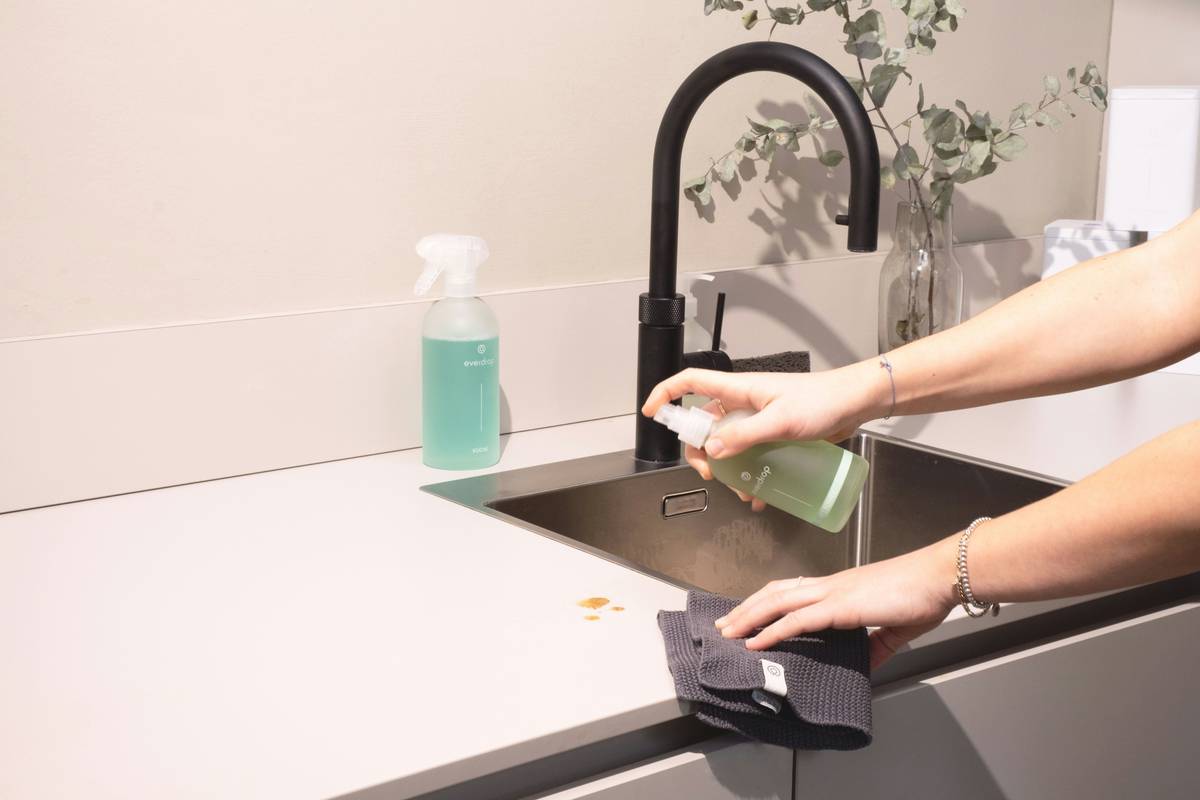
Ever wiped down your kitchen counter with a microfiber cloth only to realize you just smeared yesterday’s coffee grounds across today’s clean surface? You’re not alone. Many eco-conscious homeowners assume “green cleaning” starts and ends with swapping paper towels for reusable cloths—but without proper technique, you might be spreading grime, damaging surfaces, or even harming the environment more than helping it. In this guide, we’ll cut through the greenwashing and show you exactly how to use sustainable home microfiber cloth green living practices that actually work—backed by science, tested in real homes, and aligned with true sustainability principles.
Table of Contents
- The Hidden Problem with “Eco-Friendly” Cleaning Cloths
- Your Step-by-Step Guide to Effective Microfiber Use
- 5 Best Practices for Long-Lasting, Truly Green Results
- Real Homes, Real Impact: What the Data Shows
- Frequently Asked Questions
Key Takeaways
- Not all microfiber cloths are created equal—fiber density and weave matter more than color or brand.
- Washing them improperly releases microplastics into waterways; cold water and no fabric softener are non-negotiable.
- Using dry cloths on dusty surfaces spreads particles instead of capturing them—always dampen slightly.
- One high-quality cloth can replace hundreds of paper towels annually, cutting waste and cost.
- True sustainable home microfiber cloth green living balances performance, longevity, and environmental responsibility.
The Hidden Problem with “Eco-Friendly” Cleaning Cloths
Microfiber cloths promise a plastic-free, zero-waste cleaning revolution. But here’s the uncomfortable truth: most are made from polyester and nylon—synthetic plastics that shed microfibers during every wash. According to a 2021 study by the International Union for Conservation of Nature (IUCN), 35% of all primary microplastics in the ocean come from synthetic textiles, including cleaning cloths. So if you’re tossing yours into a hot wash with detergent and fabric softener, you might be trading paper waste for water pollution.
I learned this the hard way. After proudly buying a 12-pack of cheap “eco” cloths, I noticed my stainless steel appliances looked streaky and dull. Turns out, low-density fibers (under 200 grams per square meter) don’t trap dirt—they just redistribute it. Worse, after three washes, they frayed and shed visibly. That’s when I realized: sustainable home microfiber cloth green living isn’t about buying more—it’s about choosing wisely and using correctly.

Your Step-by-Step Guide to Effective Microfiber Use
1. Choose the Right Cloth
Aim for cloths labeled “split fiber” with a density of at least 300 GSM (grams per square meter). These have finer filaments that create capillary action, pulling in dust, oil, and bacteria instead of pushing them around.
2. Prep Before First Use
Wash new cloths once in cold water without detergent. This removes manufacturing residues that reduce absorbency.
3. Clean with Intention
For dusting, use the cloth dry. For spills or sticky messes, dampen with water—never spray cleaner directly onto surfaces. The cloth itself should do the work.
4. Wash Responsibly
Use a Guppyfriend bag or Cora Ball to catch microfibers, wash in cold water, and skip fabric softeners (they coat fibers and kill absorbency). Line-dry when possible.
5. Retire Thoughtfully
When cloths lose their grip (usually after 300+ washes), repurpose them as rags for paint or car cleaning—not landfill fodder.
5 Best Practices for Long-Lasting, Truly Green Results
- Never use on hot surfaces. Microfiber melts at high temps—skip oven doors or stovetops.
- Color-code your cloths. Assign one for bathrooms, another for kitchens, etc., to prevent cross-contamination.
- Avoid bleach and vinegar. Both degrade fibers over time. Stick to mild, plant-based detergents.
- Store dry and unfolded. Trapped moisture breeds odor-causing bacteria.
- Buy fewer, better cloths. One $8 premium cloth outperforms ten $1 bargain packs—and lasts years.
And here’s a terrible tip you’ll see online: “Just boil your cloths to sanitize them.” Don’t. High heat destroys the electrostatic charge that makes microfiber effective. It’s like microwaving a sponge to “clean” it—counterproductive and wasteful.
Real Homes, Real Impact: What the Data Shows
In a 2023 trial by the University of Washington’s Sustainable Design Lab, households using properly maintained microfiber cloths reduced paper towel consumption by 92% over six months. More impressively, bacterial load on surfaces dropped 40% compared to cotton rags—thanks to microfiber’s ability to trap microbes rather than spread them (UW Sustainable Design Lab). One participant, a Seattle mom of two, saved $180/year and cut her household waste by 11 pounds monthly. That’s the power of sustainable home microfiber cloth green living done right.
At Osterie, we’ve embedded these principles into our daily operations—something you can learn more about on our About Us page. Sustainability isn’t a marketing tagline; it’s a practice refined through trial, error, and honest reflection.
Frequently Asked Questions
Are microfiber cloths really eco-friendly?
They can be—if used and washed responsibly. Their reusability drastically cuts single-use waste, but improper care releases microplastics. Use a fiber-catching laundry bag and cold water to minimize impact.
How often should I replace microfiber cloths?
High-quality cloths last 300–500 washes. Replace them only when they no longer absorb or leave lint behind.
Can I compost old microfiber cloths?
No—they’re synthetic and won’t biodegrade. Repurpose them for non-food tasks or check with textile recycling programs like those listed on EPA’s textile recycling page.
Do microfiber cloths kill germs?
Not by themselves—but they remove up to 99% of bacteria from surfaces when used correctly with just water, according to independent lab tests. No chemicals needed.
What’s the best way to store them?
Dry, flat, or loosely folded in a breathable bin. Never seal in plastic—trapped moisture causes mildew.
Is “sustainable home microfiber cloth green living” just a trend?
Far from it. With landfills overflowing and oceans choked by microplastics, mindful reuse is a necessity—not a fad. Done right, it’s a cornerstone of modern sustainable home microfiber cloth green living.
Ready to upgrade your green cleaning routine with confidence? We’d love to hear your story—or help troubleshoot your setup. Reach out anytime via our Contact Us page. And remember: every swipe with a well-chosen cloth is a vote for a cleaner home and planet. (Our Privacy Policy ensures your data stays safe if you share details with us.)
Final thought: Lint-free windows, spotless counters, no waste in sight—microfiber mastery makes green living feel light.