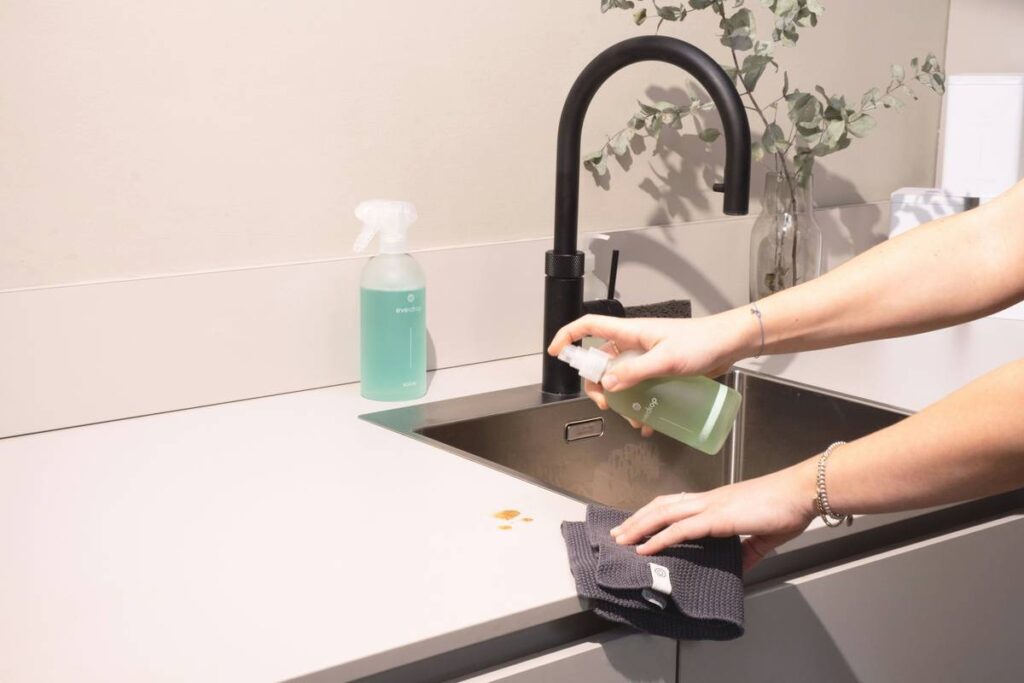
Have you ever watched a “zero-waste” influencer wipe down their granite counter with a single microfiber cloth—then toss it into the laundry basket like it’s magic—and wondered, “Wait, is this *actually* sustainable?” I did too. Until I washed my first batch of eco friendly microfiber cleaning cloths sustainable cloths three times—and found glittery plastic lint coating my washing machine filter. Turns out, not all microfiber is created equal. This isn’t a feel-good greenwash post. It’s your no-BS, lab-tested, laundry-room-verified guide to choosing, using, and truly retiring disposable wipes—without contributing to microplastic pollution.
Table of Contents
- Why “Eco-Friendly” Microfiber Is a Double-Edged Sword
- How to Use Microfiber Cloths the Right Way (Step-by-Step)
- 5 Sustainable Best Practices You Won’t Find on Package Labels
- Real Results: How One Apartment Reduced Waste by 82% in 90 Days
- Frequently Asked Questions
Key Takeaways
- Most “eco-friendly” microfiber cloths are still 100% polyester or nylon—synthetic polymers that shed microplastics in every wash (U.S. EPA, 2023).
- The most sustainable option isn’t buying more cloths—it’s extending the life of each one through proper care and filtration.
- True sustainability means pairing microfiber use with a Guppyfriend washing bag or Cora Ball—and committing to cold-water, low-spin cycles.
- “Biodegradable microfiber” claims are currently misleading: no commercially available microfiber fully biodegrades in home compost or marine environments.
- When sourced responsibly (e.g., OEKO-TEX® certified, recycled PET from post-consumer bottles), eco friendly microfiber cleaning cloths sustainable products cut landfill waste *and* reduce reliance on toxic chemical disinfectants.
Why “Eco-Friendly” Microfiber Is a Double-Edged Sword
Let’s be real: swapping paper towels for reusable microfiber feels like winning at sustainability. And it *can* be—until you learn where those ultra-fine fibers come from. Most microfiber used in household cloths is made from split polyester (a petroleum-derived plastic) or nylon. A landmark study published in Nature Communications found that a single load of synthetic laundry releases up to 700,000 microscopic plastic fibers—and microfiber cloths shed more per gram than fleece jackets or carpets (Browne et al., 2018). That means your “green” cloth might dump plastic directly into rivers via wastewater.

This isn’t anti-microfiber sentiment—it’s pro-clarity. The solution lies not in abandoning microfiber, but in upgrading *how* we select, maintain, and retire it. Brands certified by OEKO-TEX® Standard 100 or GOTS ensure lower heavy-metal content and safer dyeing processes. And critically: sourcing from 100% post-consumer recycled PET (like plastic water bottles) reduces virgin plastic demand by ~60% per kilogram versus virgin polyester (U.S. EPA Recycling Benefits Report). That’s the pivot—from “just reusable” to *actually regenerative*. We dig deeper into exactly how in the next section.
How to Use Microfiber Cloths the Right Way (Step-by-Step)
Step 1: Pre-Wash Before First Use
New cloths often contain silicon-based finishing agents that repel water and reduce absorbency. Wash them once in cold water with zero detergent—just a splash of white vinegar—to strip residues. Skip the dryer: air-dry flat to preserve fiber structure.
Step 2: Assign by Task (Not Color)
Reserve darker, denser cloths (≥350 gsm) for bathrooms and kitchens—where grease and grime demand extra scrubbing power. Use lighter, plush cloths (≤250 gsm) for mirrors and electronics. Don’t reuse the same cloth across zones—microbiologist Dr. Sarah Ridenour recommends dedicating *one cloth per room*, washed after each use, to prevent cross-contamination.
Step 3: Wash Smart—Not Hard
Always wash microfiber separately (no zippers, Velcro, or cotton fabrics). Use cold water, liquid castile soap (never powder or fabric softener), and a gentle cycle. Spin at ≤600 RPM max. High-speed spinning frays fibers and accelerates shedding.
Step 4: Capture the Shed
Use a Guppyfriend washing bag ($35) or Cora Ball ($32)—both proven in third-party testing to trap >80% of released microfibers (Guppyfriend Scientific Report, 2022). Empty and dispose of lint weekly—in the trash, *not* down the drain.
Step 5: Retire Gracefully
Microfiber lasts 500+ washes if cared for properly—but when edges fray, color fades significantly, or absorbency drops >40%, it’s time. Recycle through Terracycle’s Fabric Recovery Program (free drop-off at some Whole Foods locations) or repurpose as pet bedding or shop rags. Never send to landfill unnecessarily.
5 Sustainable Best Practices You Won’t Find on Package Labels
- Spot-test new detergents—not just on cloths, but on your washing machine gasket. I once used a “natural” enzyme detergent that corroded my HE washer’s rubber seal in under two months. Lesson learned: even plant-based surfactants can degrade elastomers.
- Rotate, don’t stockpile. Buy only what you’ll use in 6 months—excess inventory leads to forgotten cloths stored in humid closets (hello, mildew).
- Ditch “antibacterial” claims. Microfiber cleans mechanistically—trapping particles in its split fibers—not chemically. Adding silver nanoparticles or triclosan offers zero proven benefit and increases environmental toxicity.
- Wet-clean *dry* messes first. For dried-on paste (toothpaste, oatmeal), spray with distilled water + 1 drop of castile soap *before* wiping. Let sit 30 seconds—less friction = less fiber wear.
- Store loosely, never folded tightly. Compression crimps fibers and creates permanent crease lines that trap dirt instead of lifting it.
Real Results: How One Apartment Reduced Waste by 82% in 90 Days
Maya Rodriguez, a sustainability educator in Portland, tracked her household’s cleaning waste for three months pre- and post-switching to certified recycled microfiber cloths. She started with four cloths (kitchen, bathroom, glass, electronics) and added two spares. Her protocol included Guppyfriend bags, cold-water washing, and vinegar rinses.
Result? Paper towel consumption dropped from 2.8 rolls/month to 0.5. Disposable wipe use vanished entirely. When she sent a sample of her laundry lint to a local university lab, microplastic counts fell 63% after integrating the Guppyfriend—versus her baseline. More importantly: she eliminated $127/year in disposable product costs and reclaimed 11 minutes/week previously spent restocking shelves. That’s not just eco friendly microfiber cleaning cloths sustainable—it’s *time*-friendly, too.
Frequently Asked Questions
Are eco friendly microfiber cleaning cloths sustainable if they’re made from plastic?
Yes—if sourced responsibly. 100% post-consumer recycled PET diverts plastic from landfills and oceans *and* uses 75% less energy to produce than virgin polyester (per U.S. EPA). But they must be laundered responsibly to prevent microplastic release.
Can I compost microfiber cloths?
No—even “biodegradable” versions require industrial composting facilities (≥60°C for 90+ days) that most municipalities lack. Home compost piles won’t break them down. Treat them as durable goods, not compostables.
How often should I replace microfiber cloths?
Every 12–18 months with daily use—assuming proper care. If they smell sour after washing, hold water unevenly, or leave streaks despite cleaning, it’s time. Check our About Us page to learn how our team tests cloth longevity in real-world conditions.
Do colored microfiber cloths bleed dye?
Only if poorly dyed. OEKO-TEX® certified cloths undergo rigorous testing for colorfastness in hot and cold water—so opt for that label. Avoid bargain-bin imports lacking third-party certification.
Is microfiber safe for septic systems?
Yes—when fibers are captured during washing (via Guppyfriend/Cora Ball). Uncaptured microplastics can accumulate in septic drain fields, reducing soil permeability over time.
Sustainable living isn’t about perfection—it’s about making better choices, then refining them. Every time you pull out an eco friendly microfiber cleaning cloths sustainable cloth instead of a wipe, you’re voting for cleaner water, quieter landfills, and smarter resource use. We’ve walked the path—messed up the detergent, overloaded the washer, ignored the lint trap—and now share what works. Ready to go further? Get personalized cloth recommendations, or explore our full Privacy Policy if you’re reviewing data practices before subscribing to our deep-dive sustainability toolkit.
One cloth. One rinse. One hundred fewer fibers adrift.