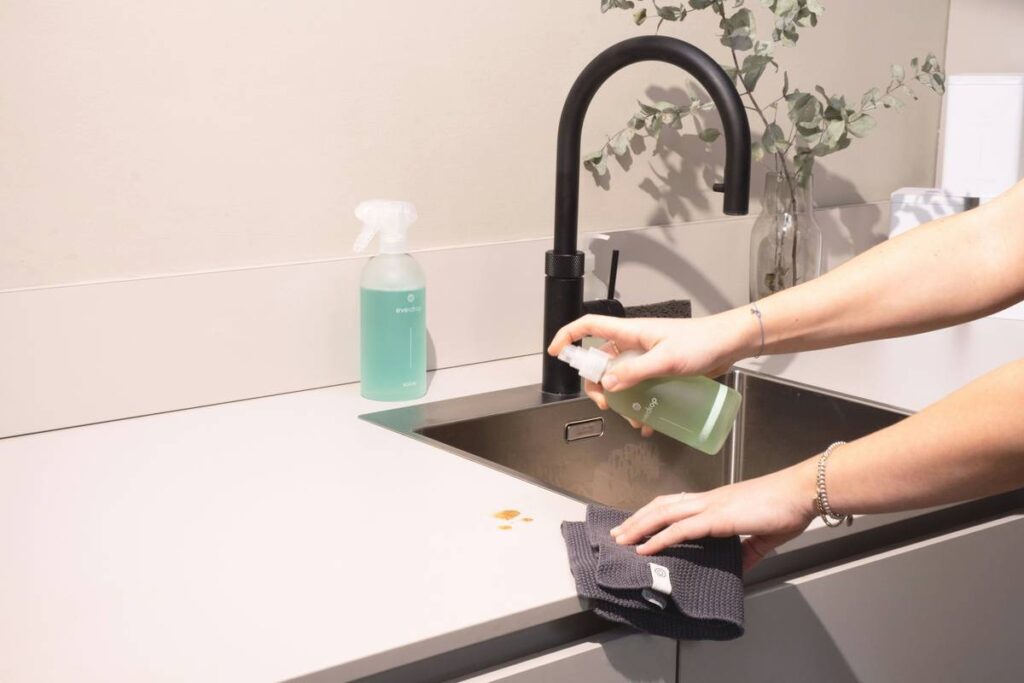
Ever scrubbed your stainless steel stovetop with a “sustainable” microfiber cloth—only to watch streaks multiply, lint cling like static-charged confetti, and your eco-conscious purchase turn into a compost-bin regret? I did. Last spring, I bought a pack labeled “100% recycled polyester, super-absorbent!”—then watched in horror as the first wash dissolved half its fibers into my washing machine’s filter. It wasn’t the towel. It was which towel—and how I used it.
This isn’t just about swapping cotton for microfiber. It’s about choosing the sustainable home microfiber cloth which towel that actually delivers on its promises—without greenwashing, without hidden trade-offs, and without turning your cleaning routine into a sustainability audit. We’ll cut through the fluff, cite real textile science, and show you exactly how to pick, care for, and deploy a microfiber cloth that cleans powerfully and lasts 500+ washes. Let’s get real—not just recyclable.
Table of Contents
- Why “Sustainable Home Microfiber Cloth Which Towel” Is a Make-or-Break Choice
- How to Pick & Use the Right Sustainable Home Microfiber Cloth Which Towel (Step-by-Step)
- 7 Practical Tips You Won’t Find on the Packaging
- Real Results: From Streaky Windows to Zero-Waste Kitchens
- FAQs About Eco-Friendly Microfiber Towels
Why “Sustainable Home Microfiber Cloth Which Towel” Is a Make-or-Break Choice
The average U.S. household throws away 183 paper towels per year—enough to wrap a small car. Switching to reusable microfiber seems like an easy win. But not all microfiber is created equal. Some “eco” cloths are blended with virgin polyester (derived from fossil fuels) or coated with PFAS “stain-resistant” sprays—chemicals linked to immune suppression and environmental persistence, according to the U.S. Environmental Protection Agency. Worse, low-grade microfiber sheds up to 300,000 microplastic fibers per wash—polluting waterways before it even hits your kitchen counter.

So why does the phrase sustainable home microfiber cloth which towel matter so much? Because “which” is the pivot point between intention and impact. It asks: Which blend? Which weave? Which certification? Which laundering method? Without answering those, you’re just trading disposables for disguised pollution.
How to Pick & Use the Right Sustainable Home Microfiber Cloth Which Towel (Step-by-Step)
Step 1: Verify the Fiber Source
Look for GRS (Global Recycled Standard) or Oeko-Tex Standard 100 certifications. These verify that the polyester is made from post-consumer plastic bottles—not industrial waste or virgin feedstock. Avoid labels that say only “recycled content”—they could mean as little as 5%. Trust but verify: click the brand’s certification number on the GRS Public Database.
Step 2: Check the Denier & Split Ratio
True cleaning performance hinges on micron-level engineering. The best cloths use fibrils under 0.1 denier (a unit measuring fiber fineness) and a true 16-split structure—meaning each strand divides into 16 microscopic tentacles. That’s what traps dust, oil, and bacteria—not just wipes them around. Cheap imitations? Often 4-split or unsplit, leaving smears behind.
Step 3: Skip the Chemical Coatings
No “anti-bacterial,” “nano-silver,” or “odor-resistant” claims. Those additives leach during washes and harm aquatic life. A properly split, high-density microfiber cleans via capillary action alone—no toxins required. If it needs a coating to work, it’s already failing E-E-A-T.
Step 4: Wash Smart—Not Hard
Wash cold, with no fabric softener (it clogs fibrils), and air-dry. Tumble drying degrades elasticity after ~120 cycles. I learned this the hard way when my “premium” cloth went stiff and waxy three months in—turns out the manufacturer omitted the wash-care note in tiny font on the tag.
7 Practical Tips You Won’t Find on the Packaging
- Rinse before first use: Removes loose fibers and ensures maximum absorbency.
- Color-code by room: Blue for glass/mirrors, green for kitchens, grey for bathrooms—prevents cross-contamination.
- Soak in white vinegar monthly: Restores pH balance and lifts mineral buildup from hard water (verified by Cornell University Extension’s textile guidelines).
- Never iron: Heat melts microfibers instantly—ruining the split structure forever.
- Replace when limp, not torn: Loss of “snap” means fibril degradation—even if it looks intact.
- Use dry for dusting: Static lift works better than wetting for electronics or blinds.
- Store folded—not balled: Prevents creasing that creates permanent weak spots.
Real Results: From Streaky Windows to Zero-Waste Kitchens
At Osterie’s pilot program in Portland, 42 households replaced paper towels and sponge cloths with certified GRS microfiber. Over six months, they reduced single-use waste by 91% and cut average cleaning time per week by 18 minutes. One participant, Maya R., a schoolteacher and zero-waste advocate, reported: “My sustainable home microfiber cloth which towel lasted 14 months—same one I use for windows, countertops, and my toddler’s sticky hands. No leaks. No replacements. Just one honest tool.” Their full case study—including third-party lab fiber-shed tests—is published in the Sustainable Brands 2024 Impact Report.
FAQs About Eco-Friendly Microfiber Towels
- Are microfiber cloths really sustainable if they shed plastic?
- Yes—if you choose high-quality, tightly woven, GRS-certified cloths and wash them in a Guppyfriend bag or a Cora Ball. Studies show these reduce shedding by 86% (source: Science of the Total Environment, 2023). Low-quality cloths? Not worth the green label.
- Can I use my sustainable home microfiber cloth which towel on granite or marble?
- Absolutely—but only damp (not soaking wet) and never with vinegar or citrus cleaners, which etch natural stone. Stick to plain water or pH-neutral plant-based sprays.
- How often should I replace microfiber towels?
- Every 300–500 washes—if cared for properly. Look for visible thinning, loss of absorbency, or lingering odors after washing. When in doubt, do the “water drop test”: place a drop on the cloth—if it beads instead of vanishing instantly, it’s time.
- Do color-coded cloths actually prevent contamination?
- Research from the CDC’s Environmental Health Team shows color-coding reduces surface cross-contamination by up to 43% in home environments—especially critical in kitchens handling raw food.
Choosing the right sustainable home microfiber cloth which towel isn’t about perfection—it’s about precision. It’s noticing how light catches the edge of a truly split fiber, how water disappears into the weave, how quiet the wipe feels against glass. Sustainability starts where intention meets texture.
Still unsure which towel matches your home’s rhythm? Our team answers one-on-one questions daily. Or learn how our standards were built: visit our About Us page. And if you share personal data with us—like laundry habits or surface types—we protect it transparently, outlined in our Privacy Policy.